
The world is witnessing a remarkable shift towards renewable energy, driven by the urgent need to combat climate change and reduce dependence on fossil fuels. As technology advances and awareness grows, new trends are emerging that shape the future of energy production and consumption. From solar and wind power to innovative energy storage solutions, these developments promise to transform the energy landscape.
Investors and policymakers are increasingly recognizing the potential of renewable energy sources, leading to significant investments and supportive regulations. As businesses and households alike embrace greener alternatives, the transition to a sustainable energy future is not just a possibility—it’s becoming a reality. Understanding these trends is crucial for anyone looking to navigate the evolving energy market and contribute to a more sustainable planet.
Overview Of Renewable Energy Trends
Renewable energy trends reveal a dynamic landscape driven by technological advancements and policy changes. The following key trends are shaping this sector:
- Growth of Solar Energy: Solar energy continues to dominate the renewable market, with worldwide capacity surpassing 1,000 gigawatts (GW) in 2022. Large-scale solar farms and residential installations contribute significantly.
- Expansion of Wind Power: Global wind power capacity reached over 900 GW in 2022, with offshore wind projects gaining traction. Innovations in turbine technology enhance energy production efficiency.
- Emergence of Energy Storage Solutions: Energy storage technologies, such as lithium-ion batteries, are crucial for balancing supply and demand. The global energy storage market is projected to exceed $150 billion by 2030.
- Policy Support and Investment: Many governments incentivize renewable projects through subsidies, tax credits, and regulatory frameworks. Investments in clean energy technologies rose to $500 billion globally in 2022.
- Decentralization of Energy Generation: Distributed energy resources such as rooftop solar panels and local wind turbines enable individuals and communities to generate their energy. This trend fosters energy independence.
- Focus on Energy Efficiency: Enhancing energy efficiency in buildings and industries drives down energy consumption. Implementation of smart grids optimizes energy use and integrates renewables effectively.
- Corporate Sustainability Initiatives: Businesses are increasingly committing to renewable energy purchases. Major companies have announced ambitious targets for reducing carbon footprints and utilizing 100% renewable sources.
- Integration of Electric Vehicles (EVs): The rise of EVs drives demand for renewable energy as charging infrastructure expands. The transition to electric mobility aligns with broader sustainability goals.
Understanding these trends equips individuals and organizations to make informed decisions in the evolving renewable energy landscape, facilitating the transition towards a more sustainable future.
Key Technologies Driving Change
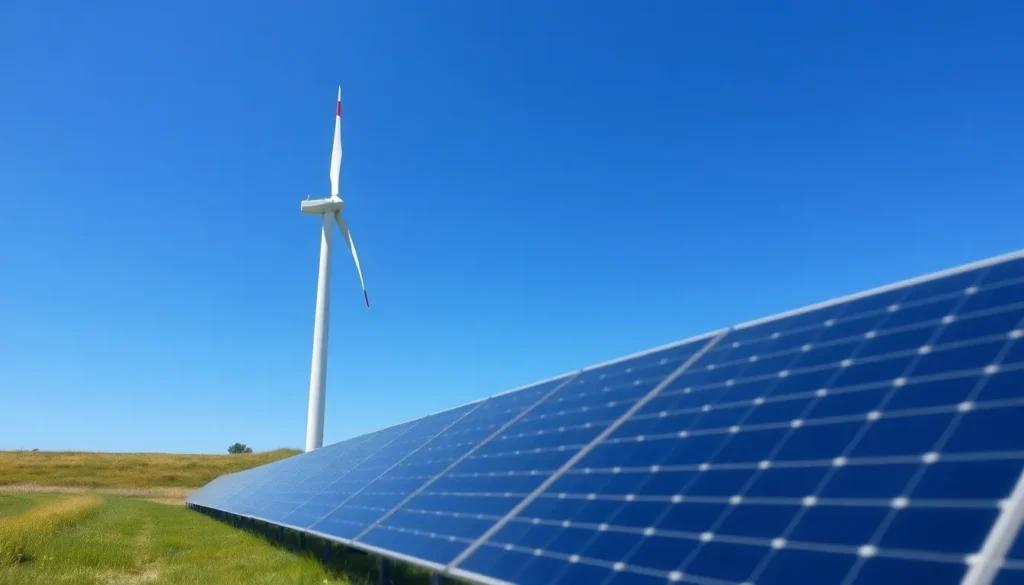
Emerging technologies play a crucial role in transforming the renewable energy landscape. Key advancements in solar power and wind energy are reshaping how energy is produced and consumed.
Solar Power Innovations
Solar power innovations focus on enhancing efficiency and reducing costs. Photovoltaic (PV) technology advancements, including bifacial solar panels, capture sunlight from both sides, increasing output by 10-20%. Perovskite solar cells, known for their potential efficiency exceeding 25%, also position themselves as a disruptive force in solar energy. Concentrated solar power (CSP) systems utilize mirrors or lenses to concentrate sunlight, achieving higher thermal efficiency. Additionally, the integration of artificial intelligence (AI) in solar asset management optimizes energy production and reduces maintenance costs. These innovations contribute to the sector’s growth, enabling solar energy generation to exceed 1,000 GW globally as of 2022.
Wind Energy Developments
Wind energy developments center on turbine technology and infrastructure improvements. Larger turbines, with capacities surpassing 12 megawatts (MW), significantly boost energy output. Offshore wind farms, using floating turbine technology, expand possibilities for energy generation in deeper waters, which holds immense potential for coastal nations. Advanced materials, such as lightweight composites, enhance durability and efficiency, while digital tools like predictive maintenance systems maximize operational performance. The global capacity for wind power, exceeding 900 GW, reflects these developments, positioning wind energy as a cornerstone of future power generation.
Market Growth And Investment
The renewable energy market experiences robust growth, characterized by substantial investments and strategic shifts in various regions. Understanding these dynamics is essential for navigating the evolving landscape.
Global Investment Trends
Global investments in renewable energy reached $500 billion in 2022, reflecting a shift toward sustainable energy solutions. Investors increasingly support solar, wind, and energy storage technologies due to their potential for long-term returns. Emerging markets also demonstrate significant growth, with countries like India and Brazil ramping up renewable infrastructure. As of 2023, solar energy investments continue to dominate, capturing over 60% of total clean energy financing. Additionally, venture capital funding for green technology startups reached approximately $50 billion, underscoring the commitment to innovation in this sector.
Regional Highlights
Regional investments exhibit distinct patterns influenced by local policies and resource availability.
- North America: The U.S. accounted for nearly 25% of global renewable energy investments, with substantial solar and wind projects underway across states like Texas and California.
- Europe: The European Union devotes significant funding to green initiatives, with countries like Germany and Spain leading in wind energy adoption. In 2022, Europe’s renewable energy investments surpassed $160 billion.
- Asia-Pacific: China remains a powerhouse in renewable energy investment, contributing over 50% of global capacity additions. India follows closely, with commitments to amplify its solar capacity to 280 GW by 2023.
- Latin America: Brazil leads in hydropower investments, yet solar and wind energy projects are gaining momentum. In 2022, investments in Latin American renewable projects exceeded $35 billion.
Each region’s investment patterns reflect a broader acknowledgment of the need for sustainable energy solutions, shaping the future landscape of the renewable energy market.
Policy And Regulatory Framework
The policy and regulatory landscape significantly influences the renewable energy sector, shaping investment and innovation. Government actions and international agreements create a supportive environment for clean energy advancements.
Government Incentives
Government incentives play a crucial role in promoting renewable energy adoption. Tax credits, grants, and subsidies lower the financial barriers for businesses and homeowners. For instance, the Investment Tax Credit (ITC) allows a 26% tax credit for solar energy investments, encouraging extensive solar implementation. Additionally, states like California and New York offer renewable portfolio standards (RPS), requiring utilities to obtain a specific percentage of their energy from renewable sources. These incentives result in increased solar and wind energy projects and foster job creation within the sector.
International Agreements
International agreements drive global cooperation and commitment to renewable energy goals. The Paris Agreement, ratified by 196 parties, targets limiting global warming to well below 2 degrees Celsius. Countries participate by setting nationally determined contributions (NDCs), enhancing their renewable energy strategies. For example, the European Union aims for a 55% reduction in greenhouse gas emissions by 2030, promoting investments in clean technology. These agreements can facilitate technology transfers, financial support, and capacity-building initiatives, significantly impacting national energy policies worldwide.
Challenges And Opportunities
The renewable energy sector faces various challenges and opportunities that shape its growth and development. Understanding these factors is crucial for navigating the evolving landscape.
Technology Integration
Technology integration presents both challenges and opportunities for renewable energy development. Ensuring interoperability between existing systems and new technologies is essential for maximizing efficiency. The implementation of smart grids enables better energy management and distribution, reducing waste and enhancing reliability. Incorporating artificial intelligence and machine learning optimizes energy production and consumption, leading to cost savings. However, the integration process may require significant investment and collaboration across industries to facilitate smooth transitions from traditional to renewable sources.
Public Acceptance
Public acceptance significantly influences the adoption of renewable energy solutions. Addressing concerns about the aesthetics, safety, and potential impacts on local ecosystems is vital for community support. Educational initiatives that demonstrate the benefits of renewable energy, such as job creation and environmental sustainability, help foster positive public perception. Engaging local stakeholders in project planning and decision-making processes enhances transparency and builds trust. Successful public acceptance ultimately drives broader acceptance and integration of renewable technologies across communities.
The renewable energy landscape is rapidly evolving as technology and investment drive significant change. The increasing adoption of solar and wind power alongside advancements in energy storage is reshaping how energy is produced and consumed. As governments and businesses embrace sustainable practices, the transition to a greener future is not just a possibility but a necessity.
Understanding these trends empowers individuals and organizations to make informed decisions in an ever-changing energy market. With continued innovation and supportive policies, the renewable energy sector is poised for remarkable growth, offering both challenges and opportunities for those willing to engage with this transformative movement.